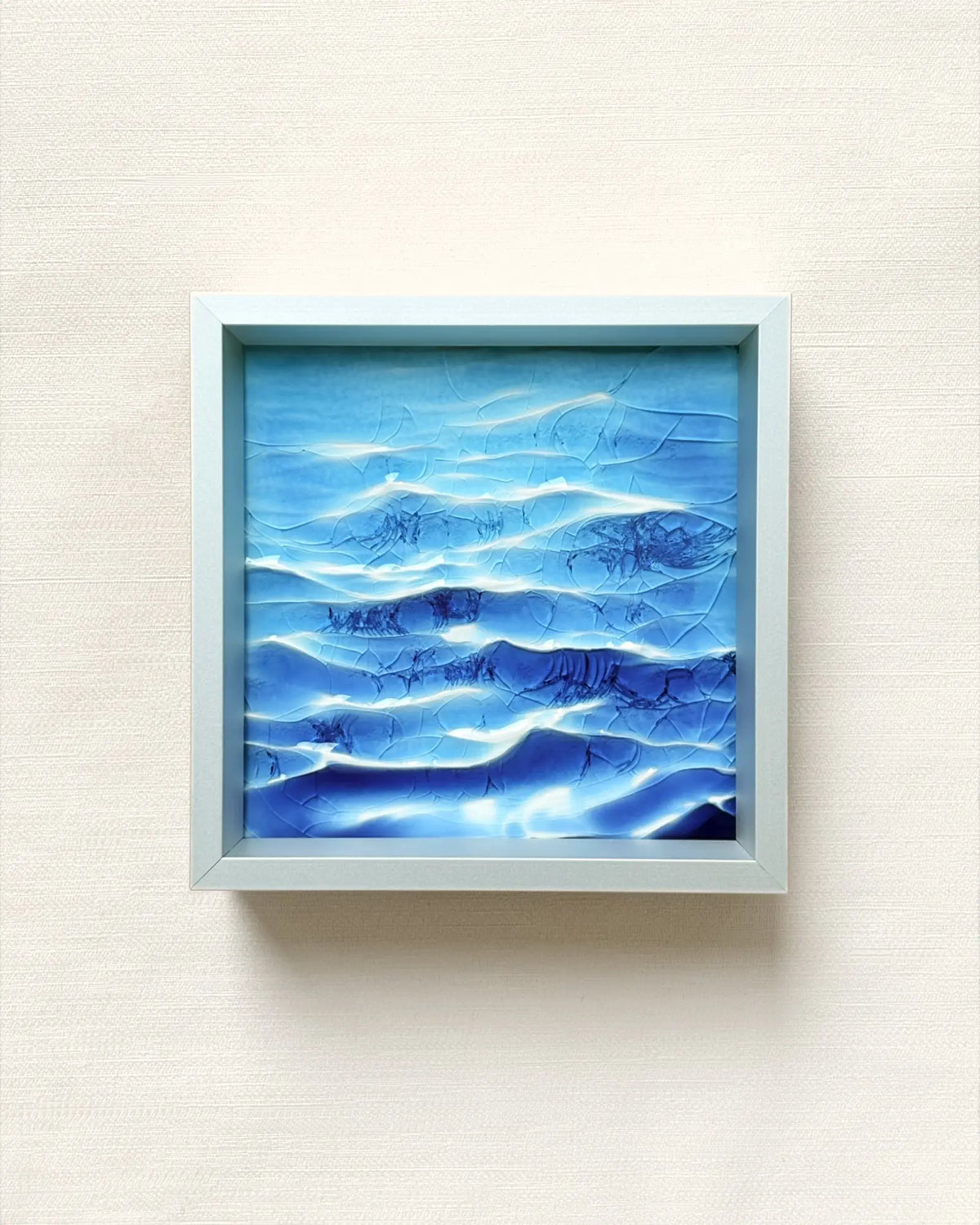
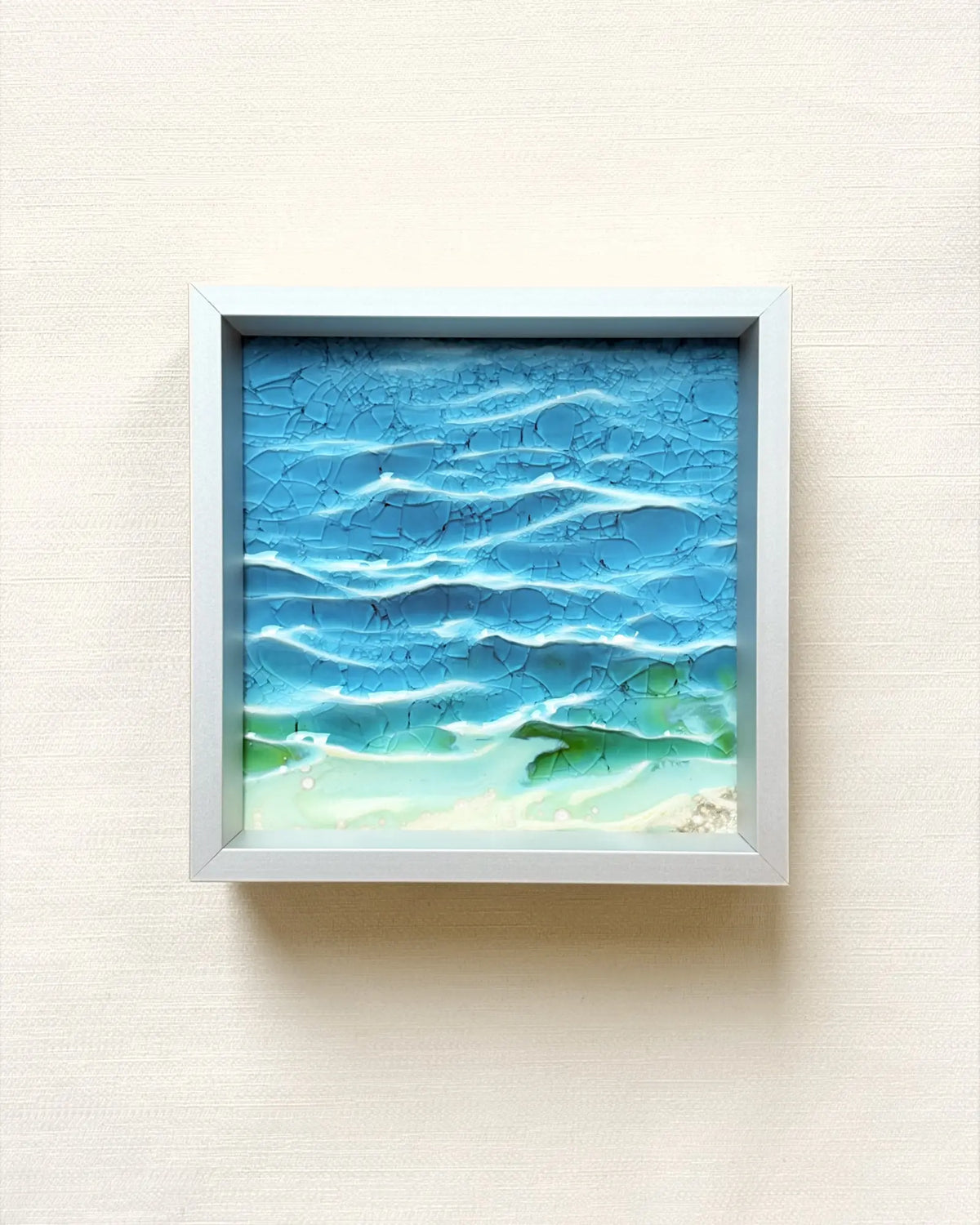
Made by hand. Made unique through fire.
A closer look at the color-glaze process behind every Glavelle artwork.
THE GLAZE PROCESS
Inspired by nature. Painted by hand. Transformed through fire.
FROM PORCELAIN TO ART · STEP 01
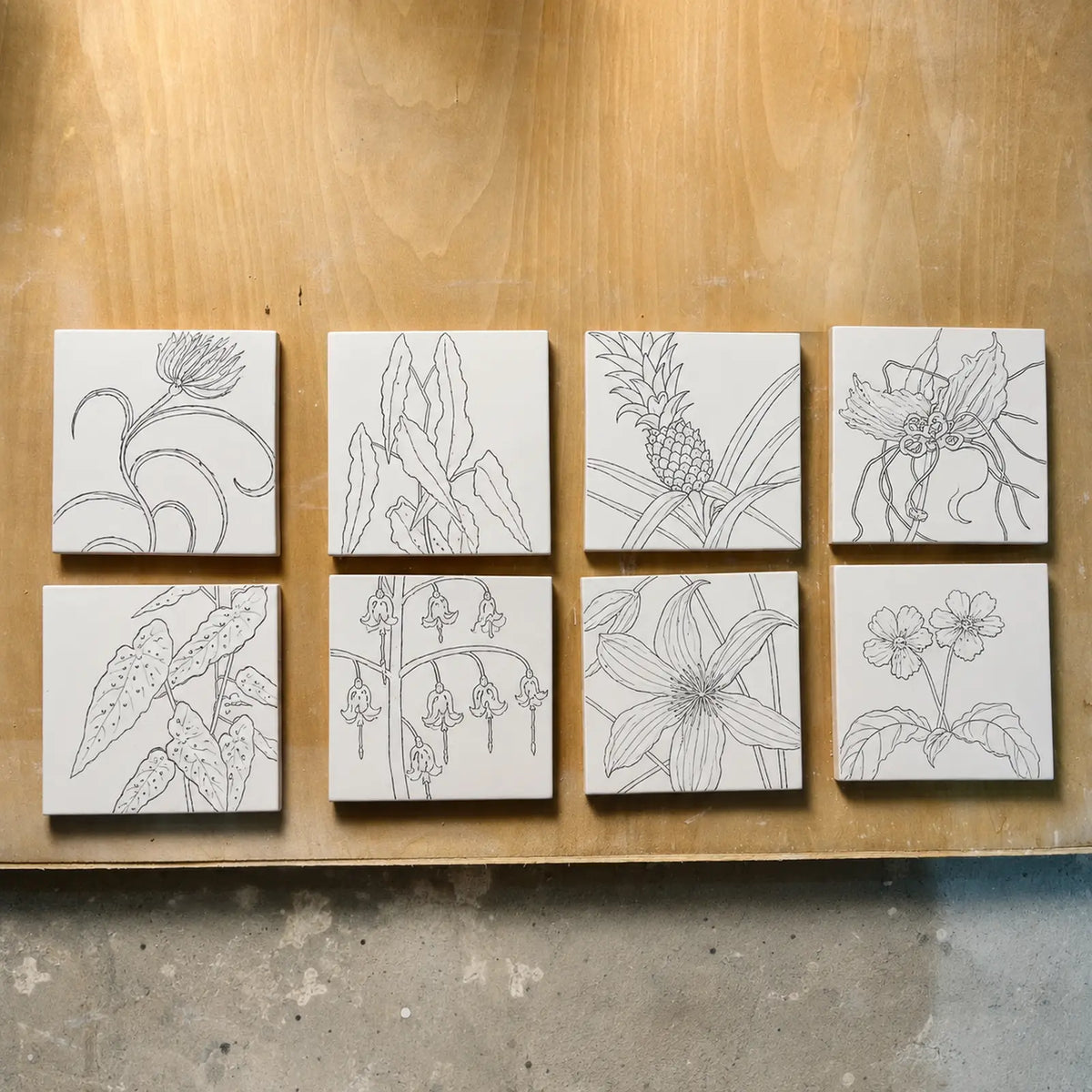
Hand-drawn beginnings
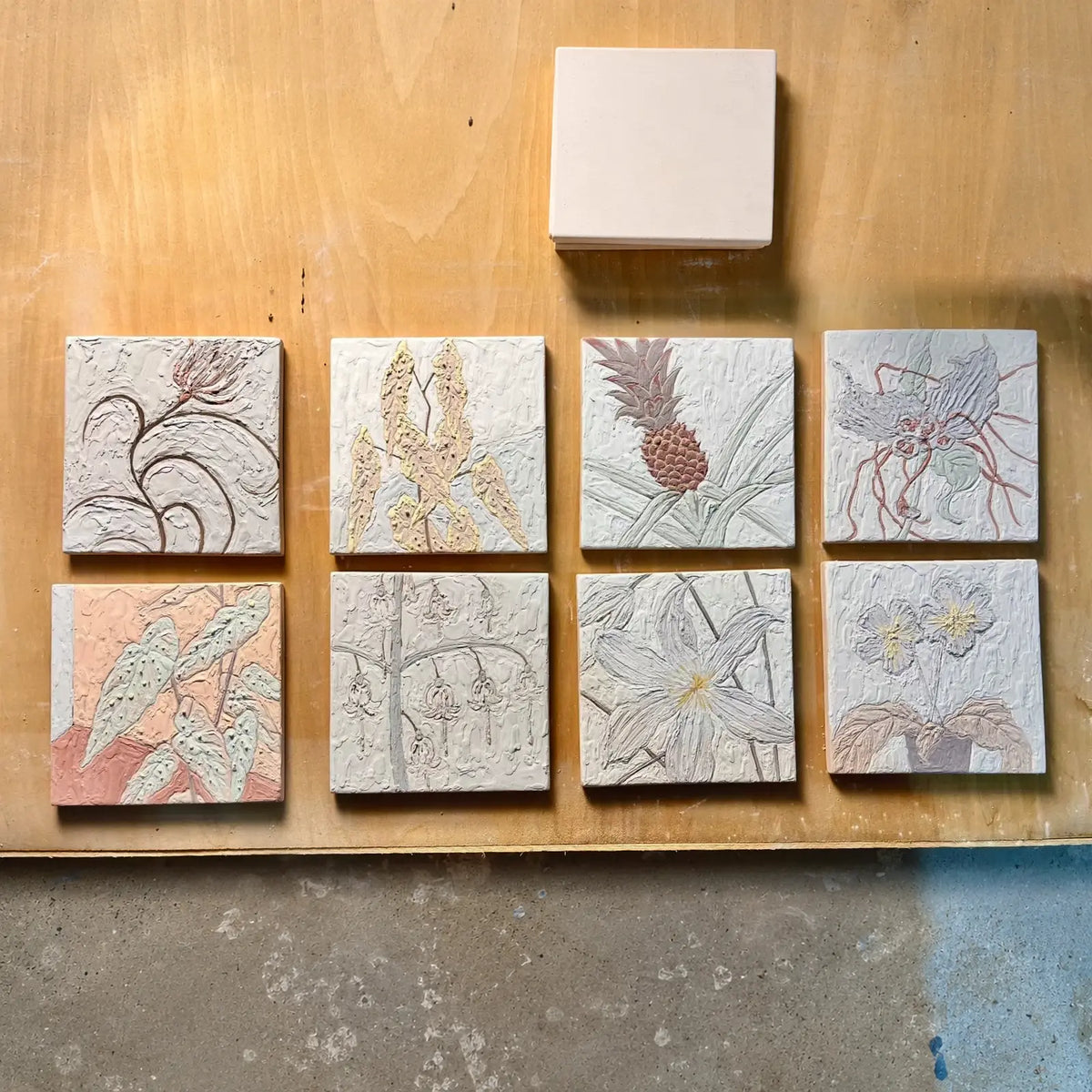
Each composition begins with hand-drawn outlines on a white porcelain panel. These lines establish the shapes, details, and flow of the artwork before color glaze is applied.
FROM PORCELAIN TO ART · STEP 02
Painted with color glaze
Color glazes are applied by hand within and around the drawn outlines, building the composition in color and texture. Before firing, the surface can look pale and matte—a quiet beginning to the transformation still to come.
FROM PORCELAIN TO ART · STEP 03
Transformed by fire
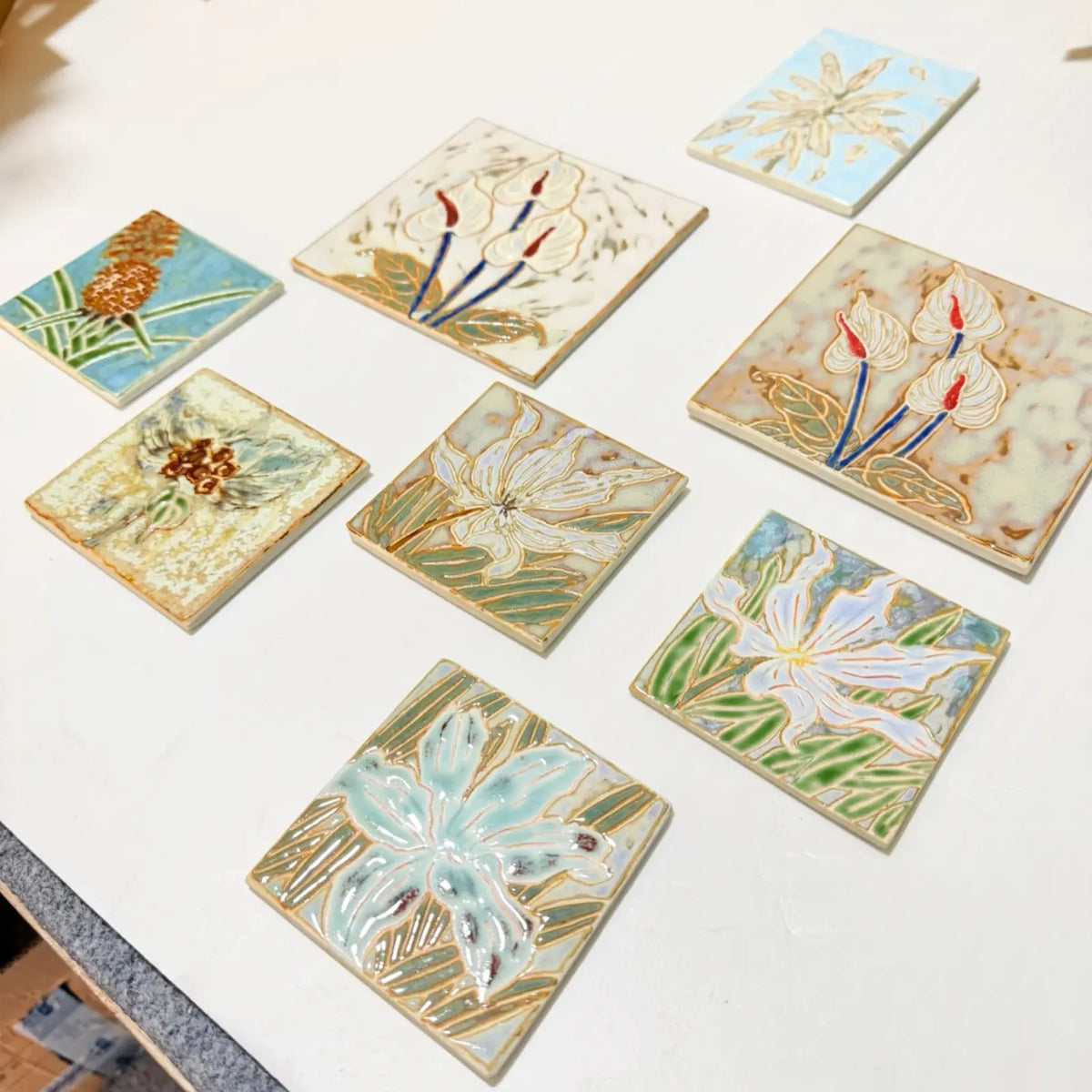
Inside the high-temperature kiln, the glazes flow and change, creating unexpected textures and color effects. Known as yaobian, or kiln transformation, this process brings together the artist’s intention and the surprises of firing.
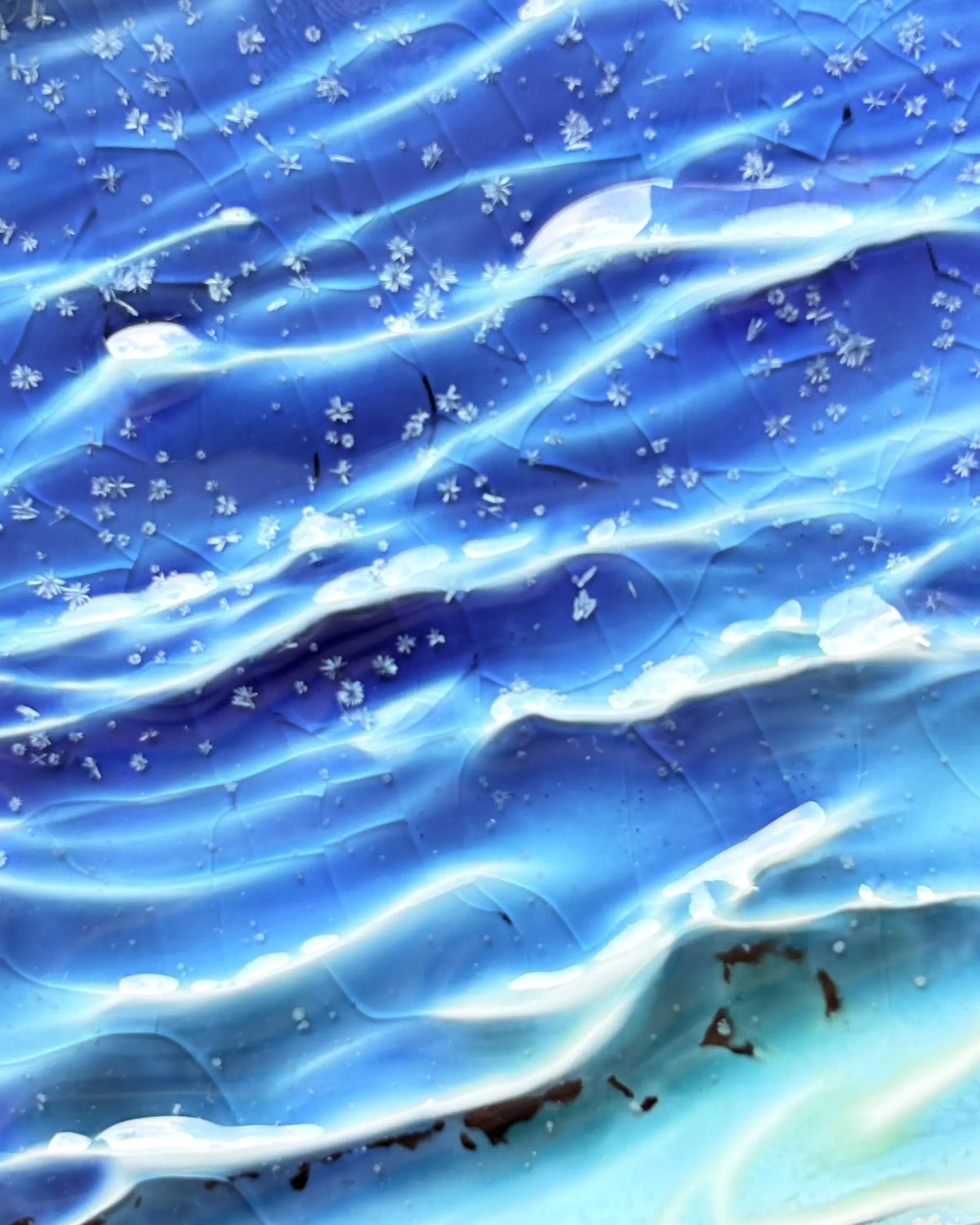
A CLOSER LOOK · TEXTURE
Depth beyond the image
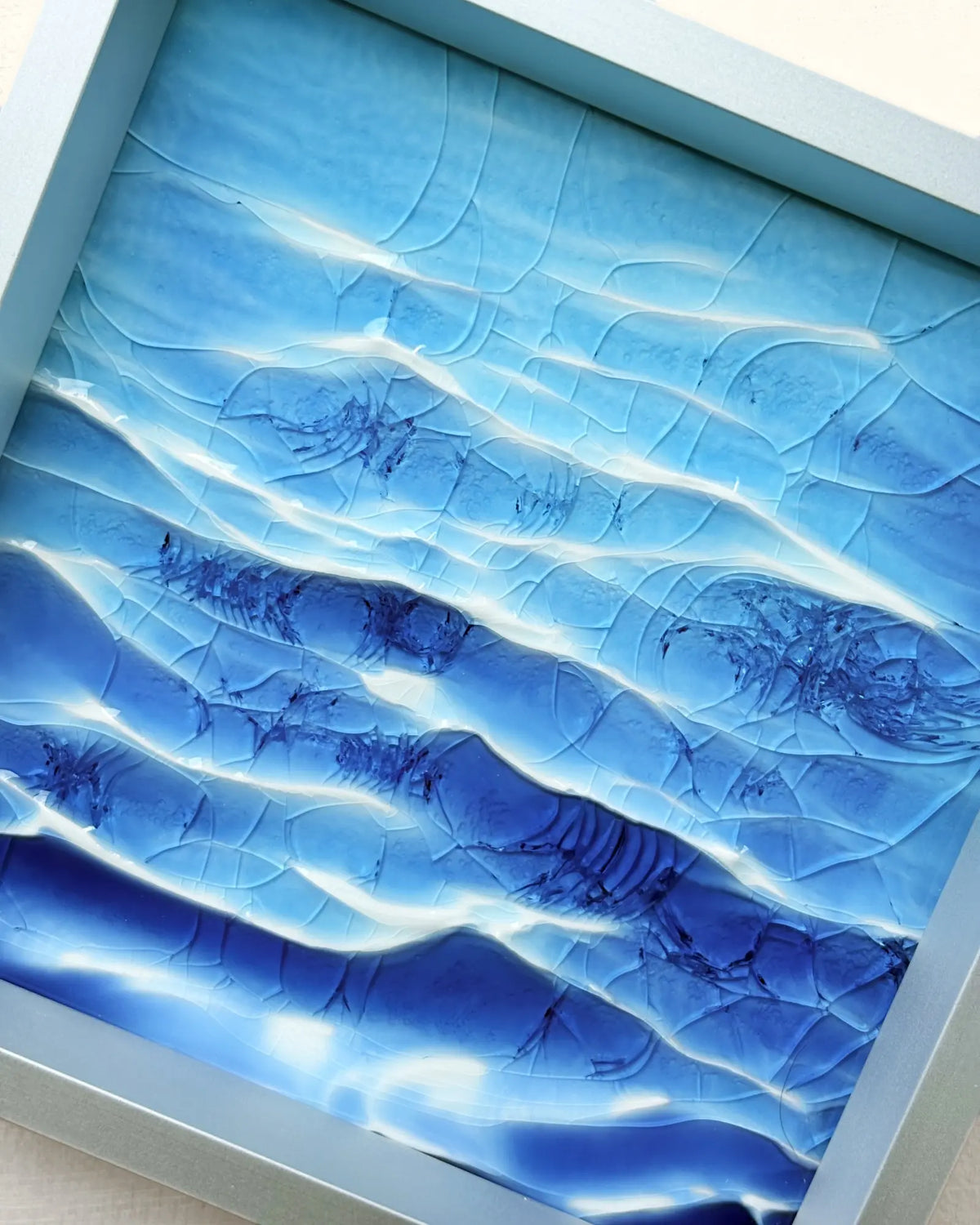
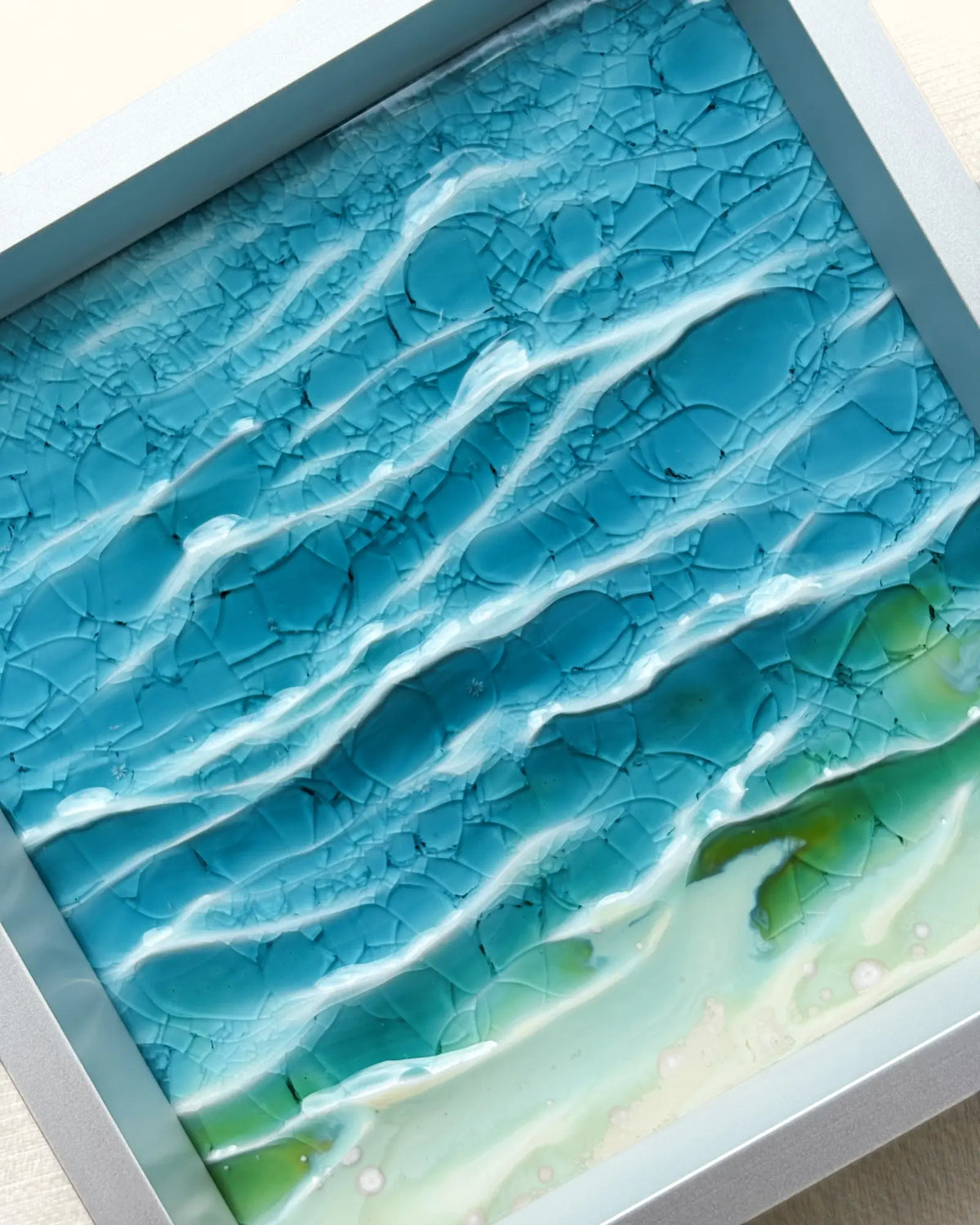
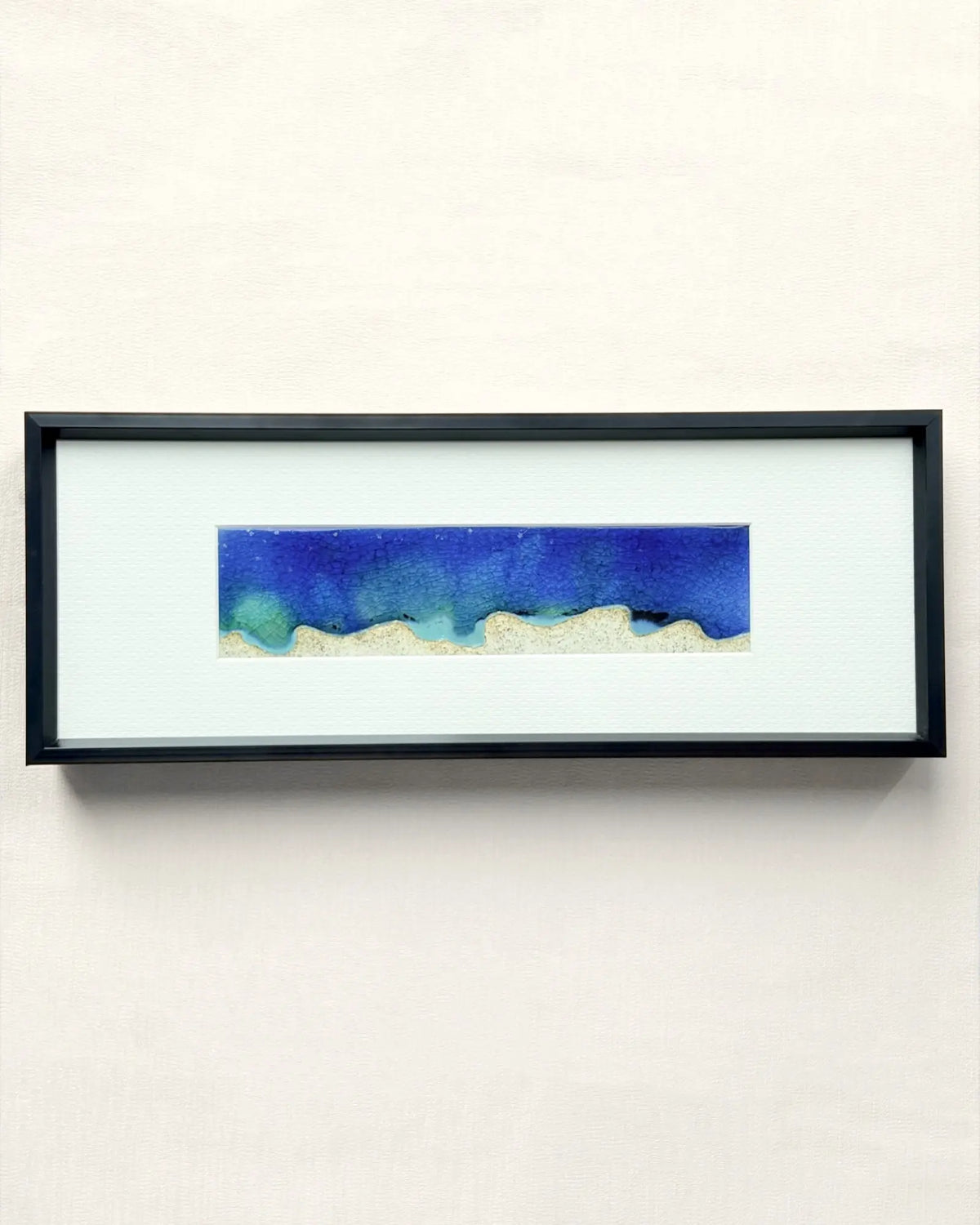
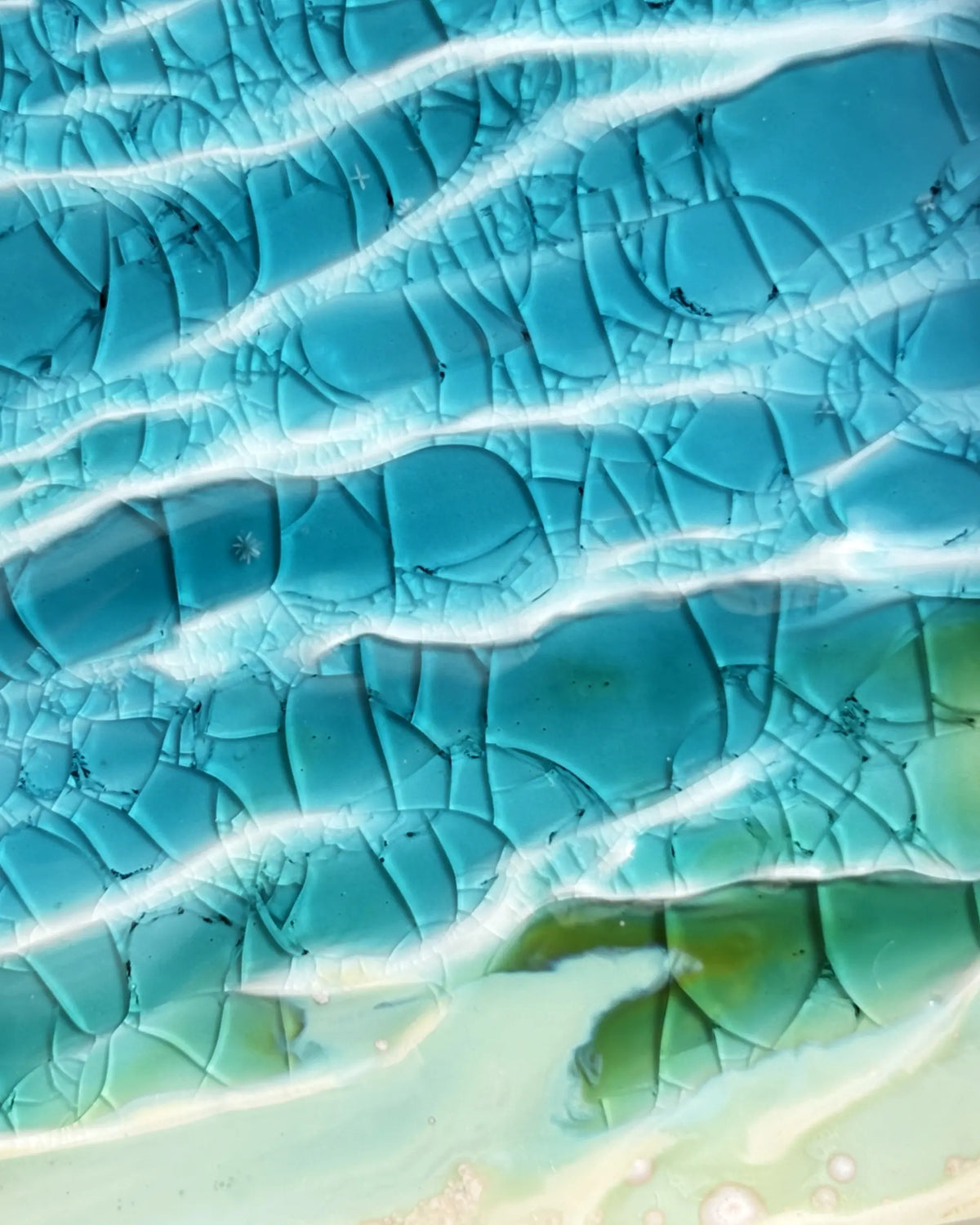
Look closely at the wave-like ridges and layered color. Light catches the raised surface, revealing depth and small details that shift with your viewing angle. The ceramic surface becomes part of the artwork itself.
A CLOSER LOOK · PATTERN
A network of fine detail
In this glaze surface, a web of crackle lines sits beneath the flowing wave forms, adding another layer of visual detail. Different works reveal different surface patterns—an invitation to slow down and look a little closer.
A CLOSER LOOK · COLOR
Color with its own character
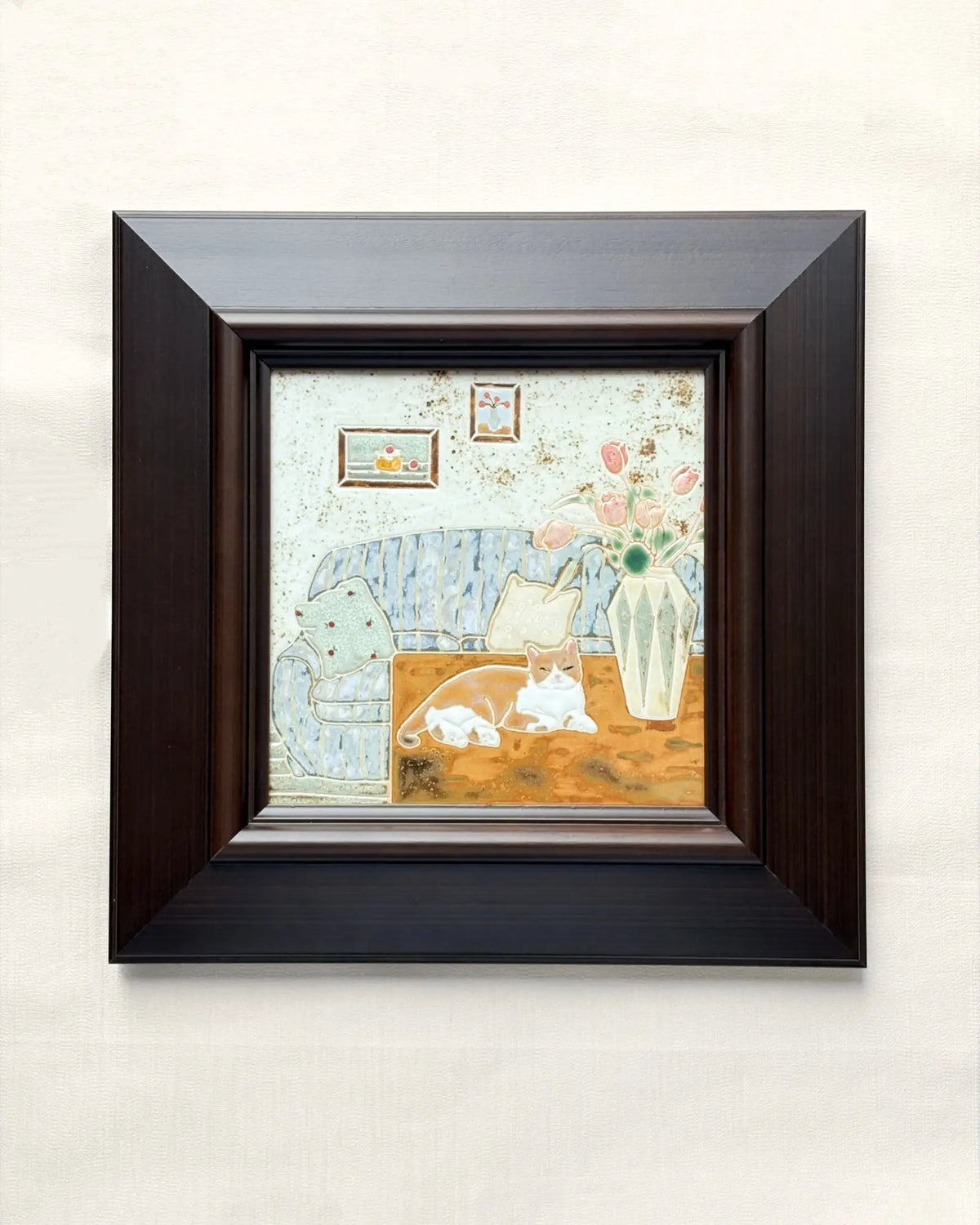
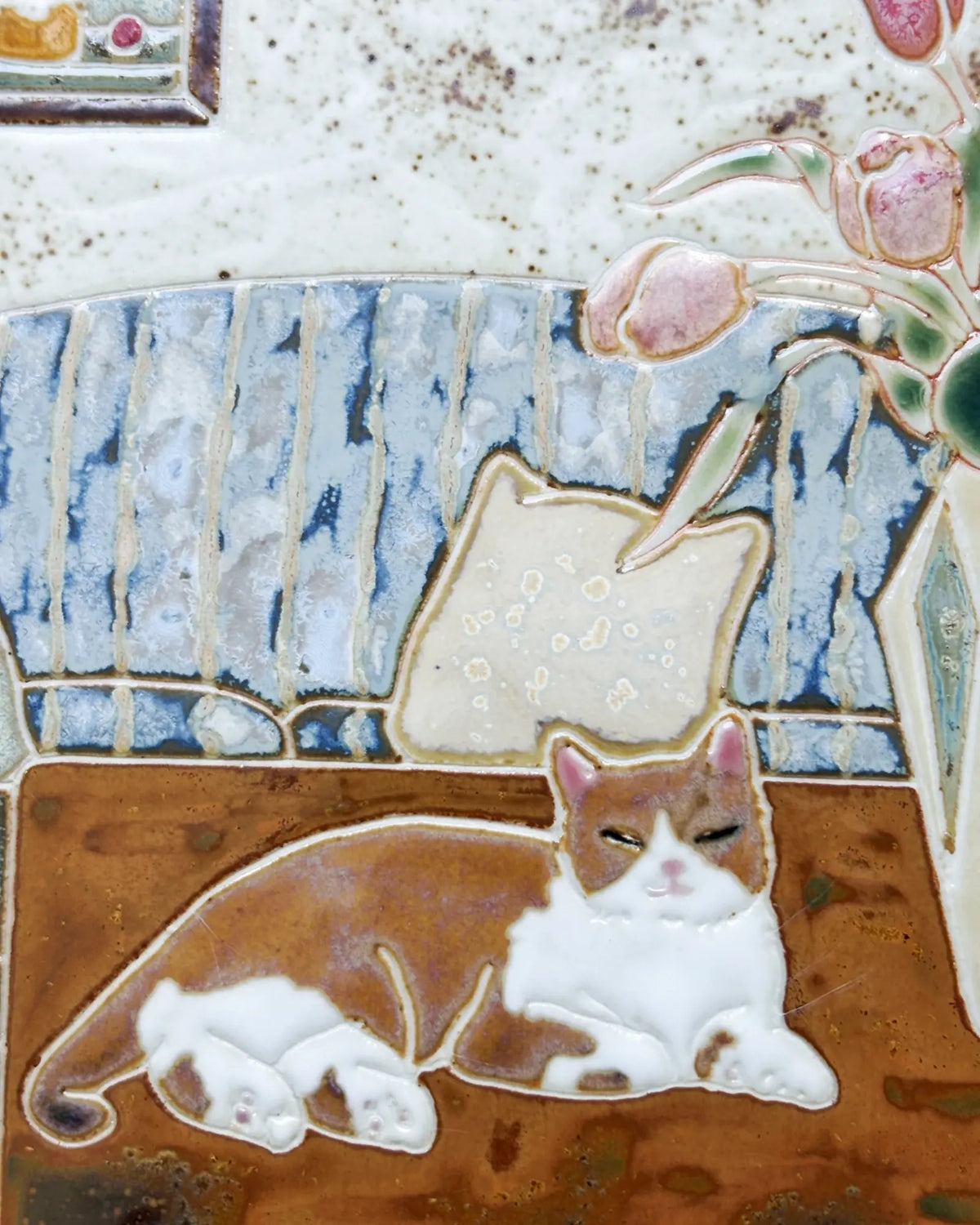
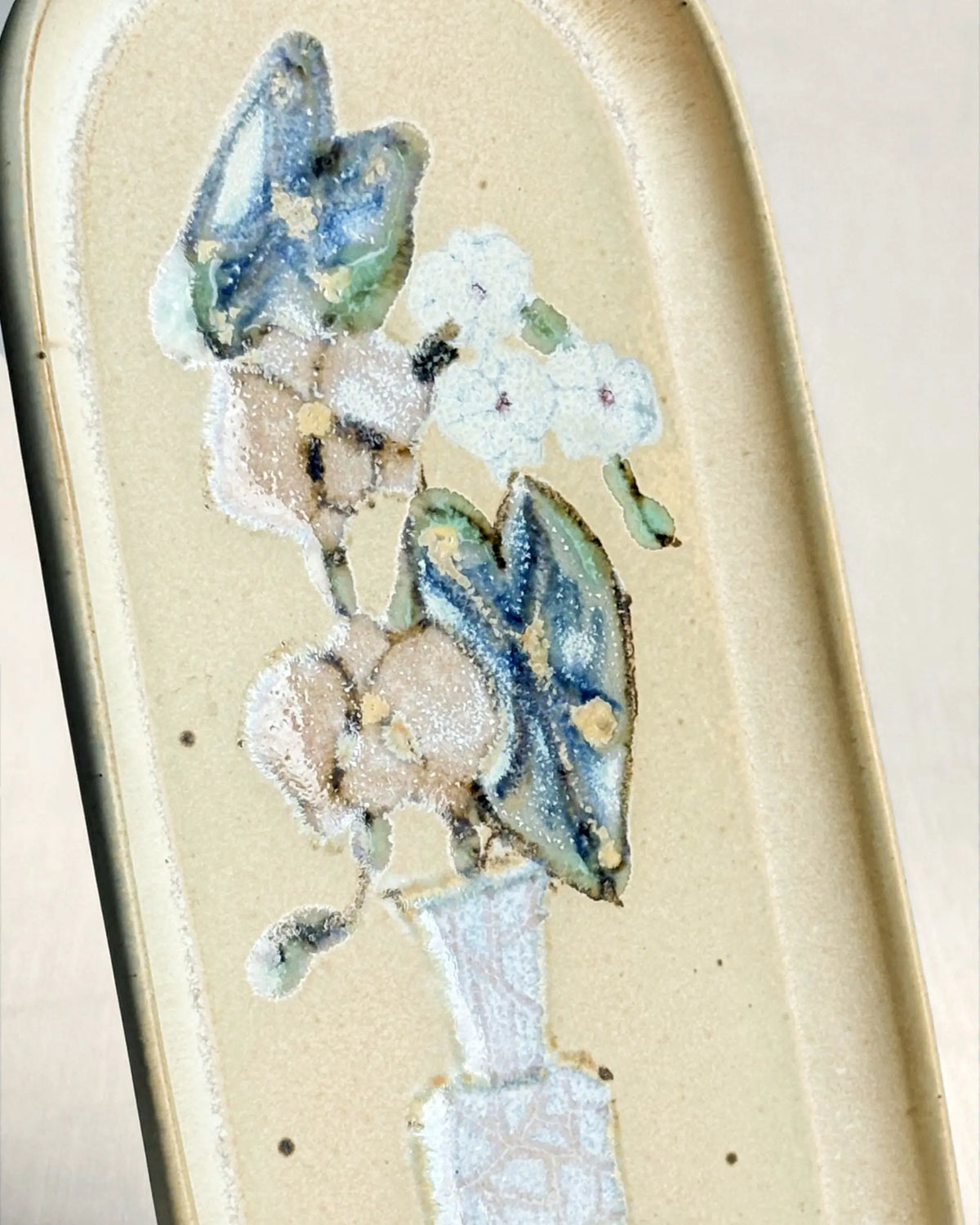
Soft transitions, speckled passages, and shifting tones give this floral composition its character. During firing, the glazes develop effects that cannot be fully predicted, adding subtle variations within the finished surface.
A closer look at the details
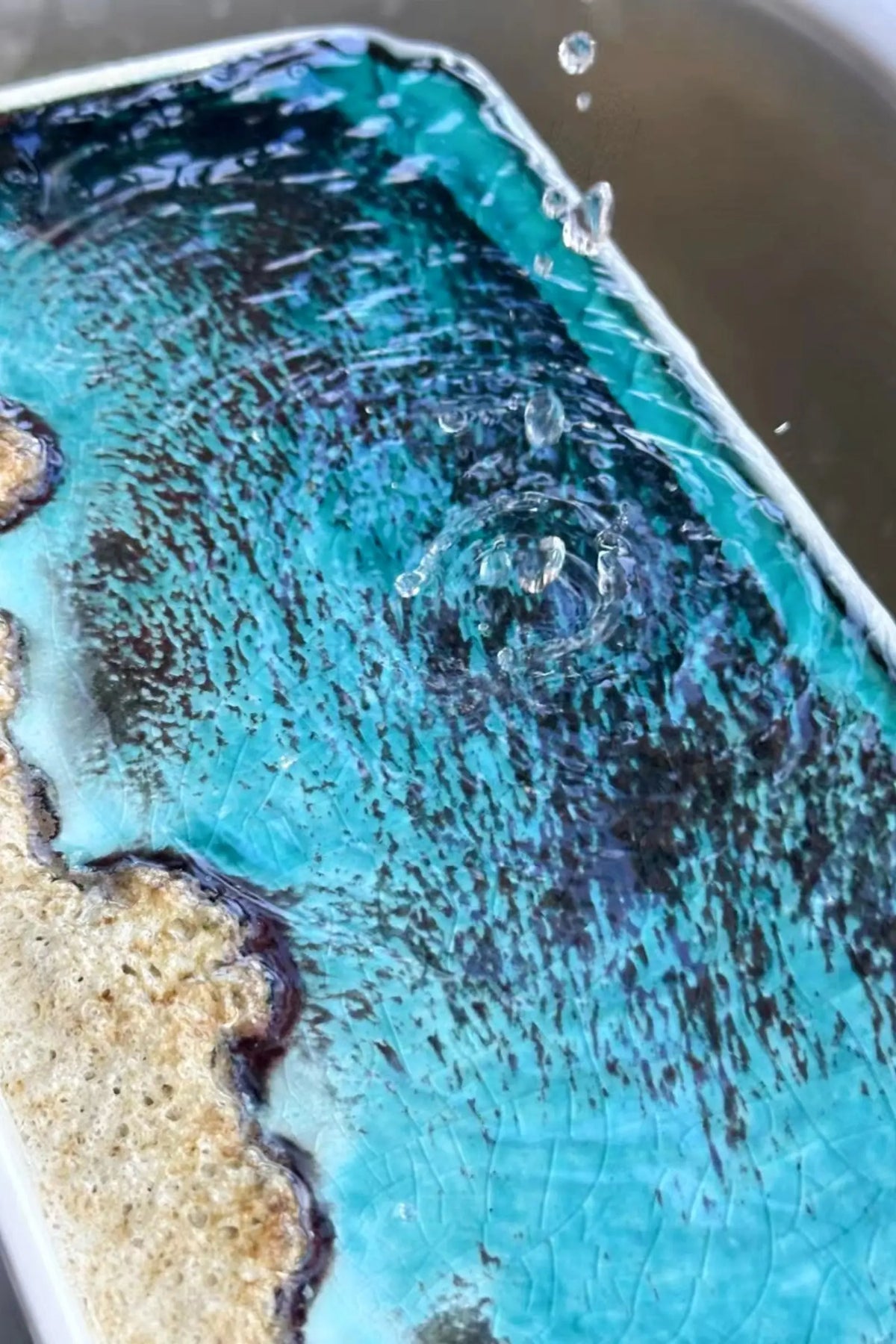
Movement and depth
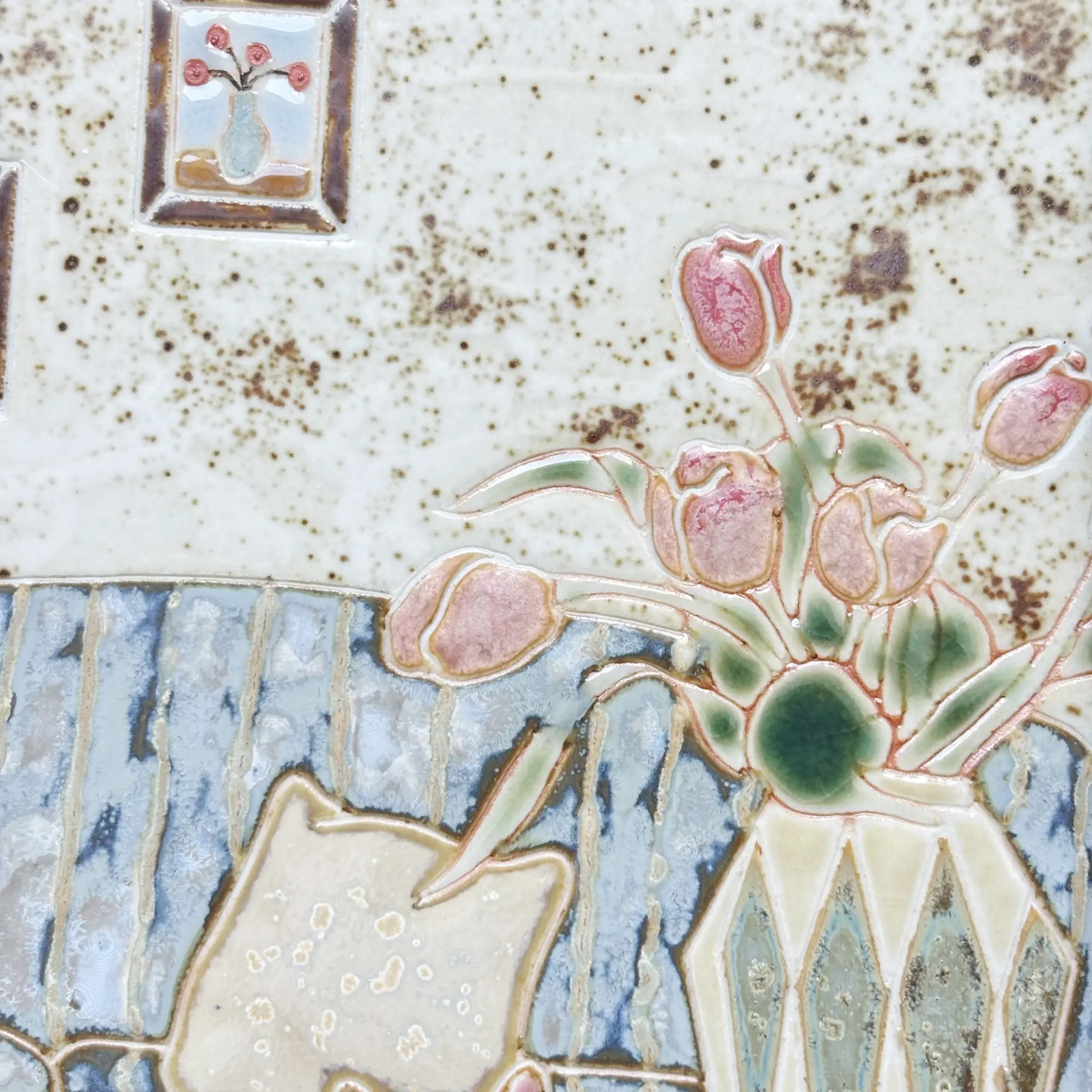
Hand-painted line and relief
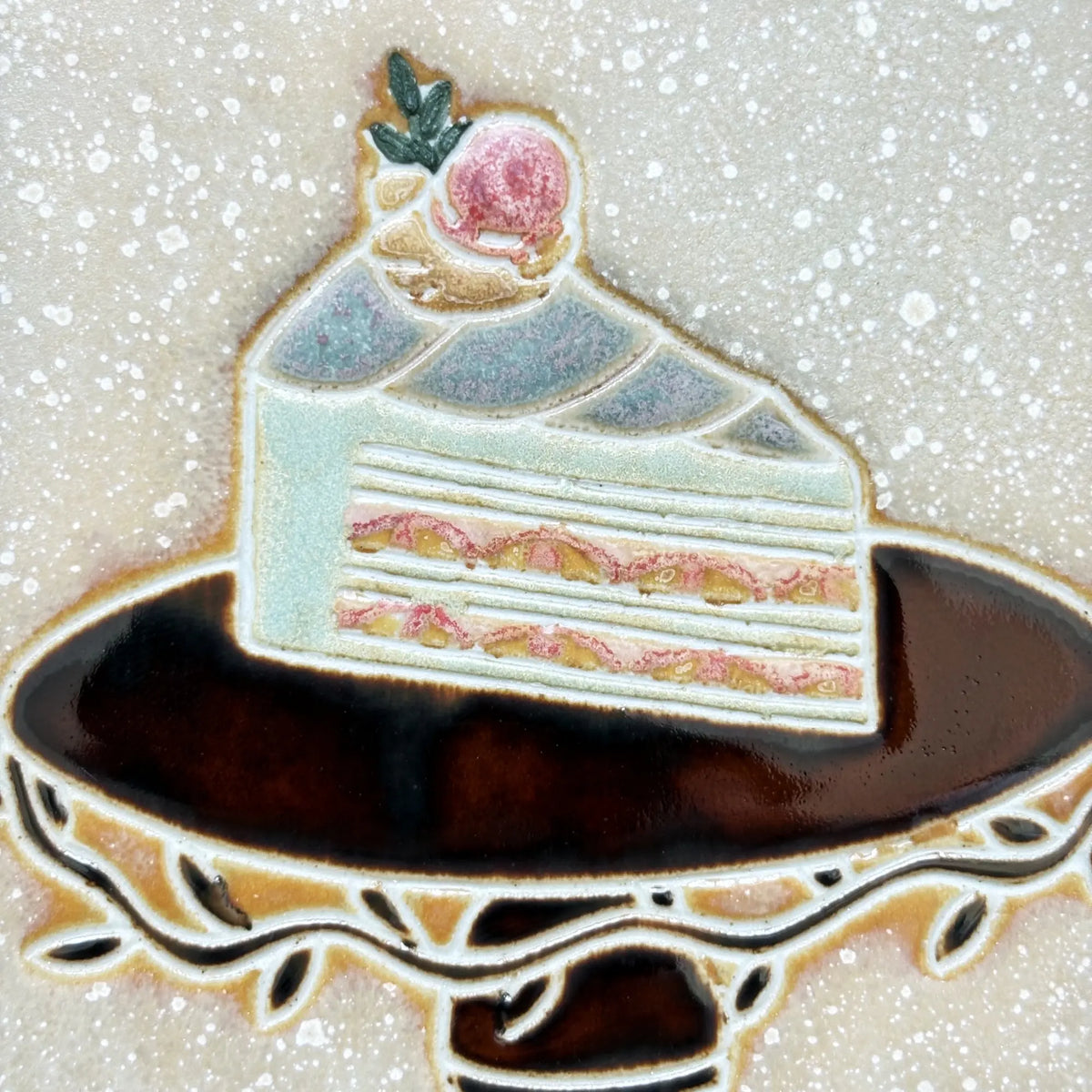
Glaze across a sculptural form
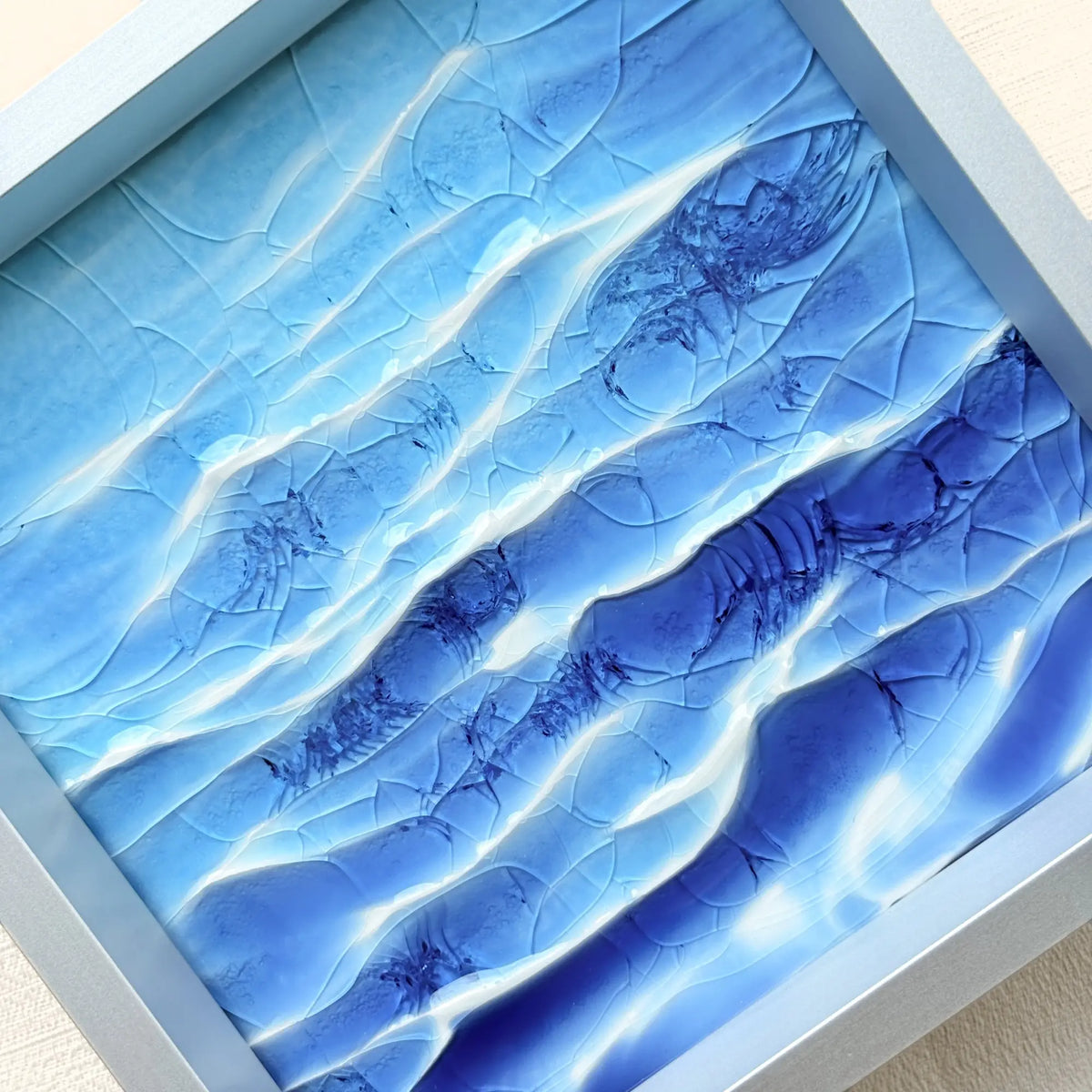
Translucent shifts in blue
Understanding handmade variation
Glaze responds to hand application, material, placement, heat, lighting, and screen settings. These factors can create subtle differences in how color is perceived.
Glaze movement, fine crackle patterns, crystalline detail, and small handmade surface marks can be part of the finished artwork.
Cracks through the ceramic body, chips, loose mounts, damaged frames, or unstable display hardware are not treated as normal handmade variation.
Original works, available only once.